
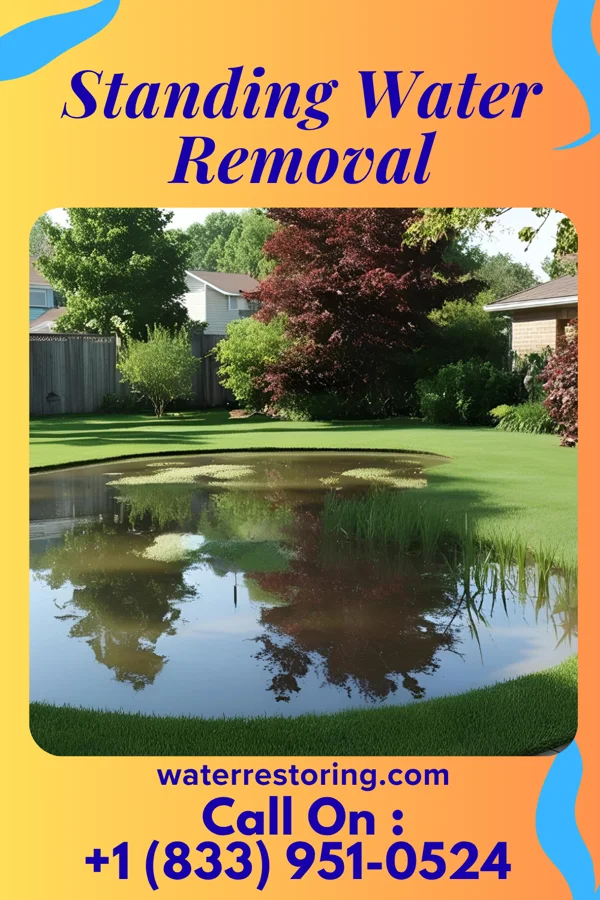
Standing Water Risks in Ypsilanti
Property owners across Ypsilanti call certified water damage restoration when In Ypsilanti, water damage often stems from plumbing leaks in older homes, particularly in basements and laundry rooms, due to aging infrastructure and frequent use of high-water-demand appliances. Additionally, heavy rainfall during spring and fall can lead to localized flooding, especially near the Grand River and in low-lying areas of the city.. A close second is Secondary causes include burst pipes during winter freeze-thaw cycles, improper drainage around properties, and water infiltration from nearby construction sites. These issues are common in suburban neighborhoods like Barton Hills and Belleville due to their proximity to natural waterways and urban development..
Ypsilanti experiences a humid continental climate, which increases the risk of mold growth and prolonged water damage. The city's location near Ann Arbor also means it can be affected by extreme weather events, such as heavy thunderstorms and flash flooding, which can overwhelm local drainage systems.
Ypsilanti experiences a humid continental climate, which increases the risk of mold growth and prolonged water damage. The city's location near Ann Arbor also means it can be affected by extreme weather events, such as heavy thunderstorms and flash flooding, which can overwhelm local drainage systems. The dominant local driver is In Ypsilanti, water damage often stems from plumbing leaks in older homes, particularly in basements and laundry rooms, due to aging infrastructure and frequent use of high-water-demand appliances. Additionally, heavy rainfall during spring and fall can lead to localized flooding, especially near the Grand River and in low-lying areas of the city., with Secondary causes include burst pipes during winter freeze-thaw cycles, improper drainage around properties, and water infiltration from nearby construction sites. These issues are common in suburban neighborhoods like Barton Hills and Belleville due to their proximity to natural waterways and urban development. showing up as the next most common cause. Damage builds in stages. Spread. Absorption. Microbial growth. Structural compromise. Every stage you pass through adds to the final bill.